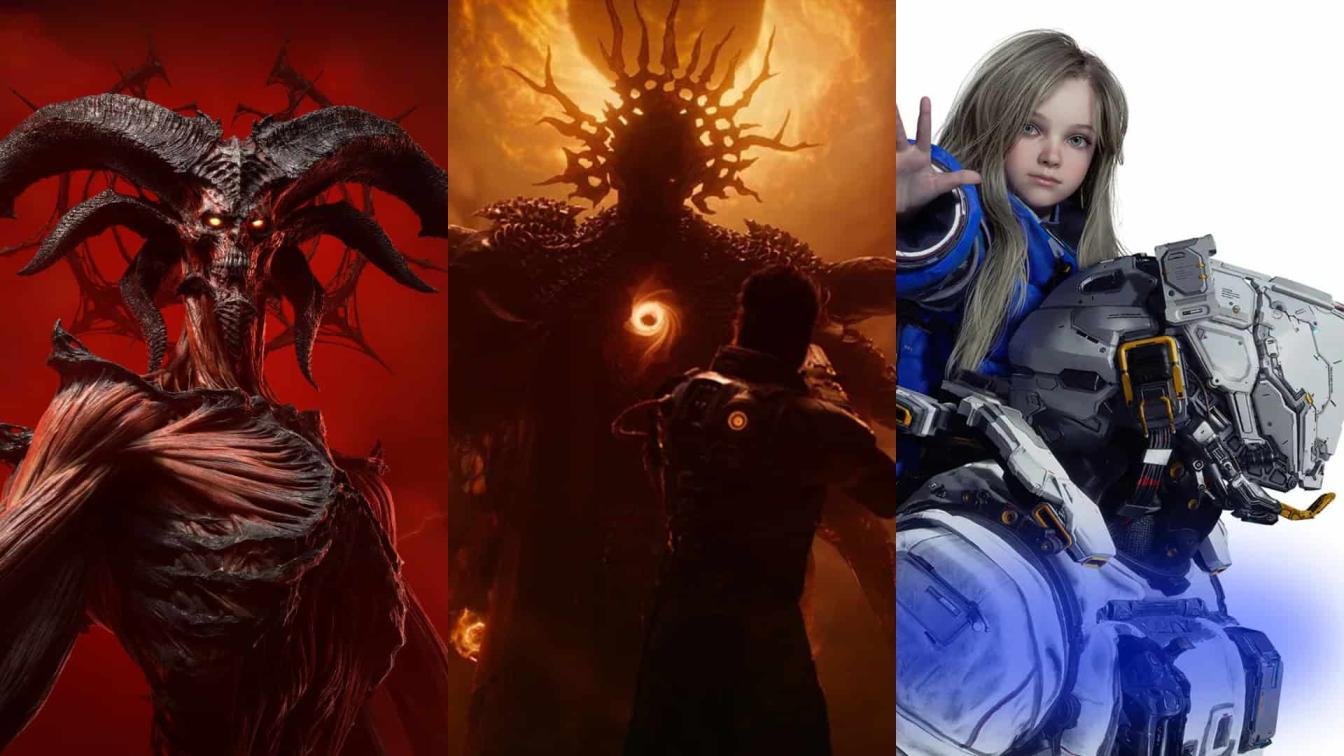
April 2026 is packed, but not in a predictable way. There are big names, smaller projects with a lot of ambition, and a few titles that could easily go either way depending on how they land.
Instead of just listing the most anticipated games, this ranking focuses on what actually matters. Impact, originality, and the chances of a game staying relevant after launch all play a role here.
10- Masters of Albion
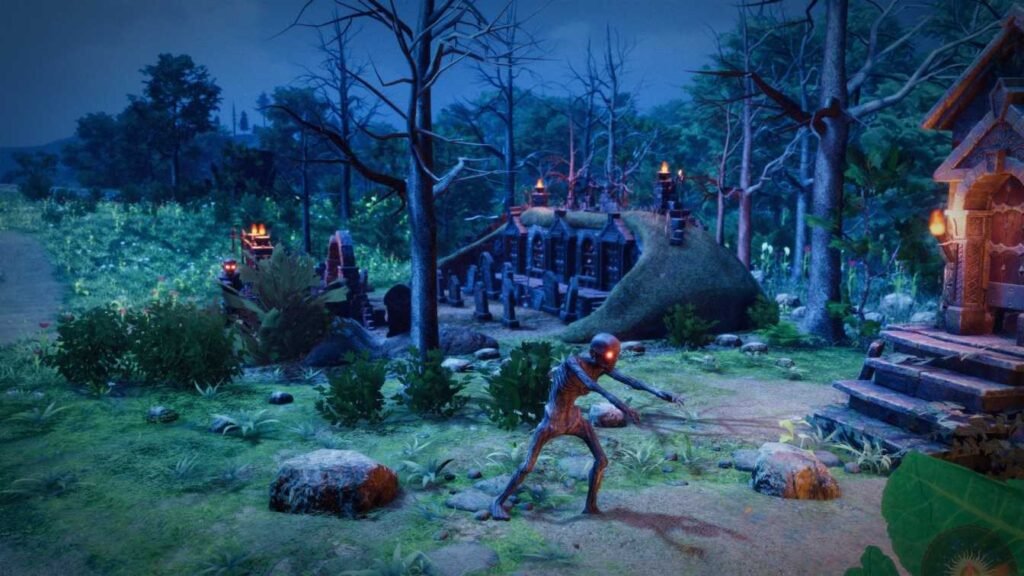
There is a lot going on with Masters of Albion, and that is both its strength and its biggest concern.
It mixes city building, strategy, and a god game structure, then adds narrative elements on top. During the day you build and manage your settlement, and at night you defend it from incoming threats. On paper, that sounds like a great loop.
The issue is balance. Games that try to do this much often struggle to make every system feel meaningful. With 22cans behind it, expectations are cautious. They have good ideas, but execution has been inconsistent in the past.
This could surprise people, but right now it feels like a gamble.
9- Invincible VS.
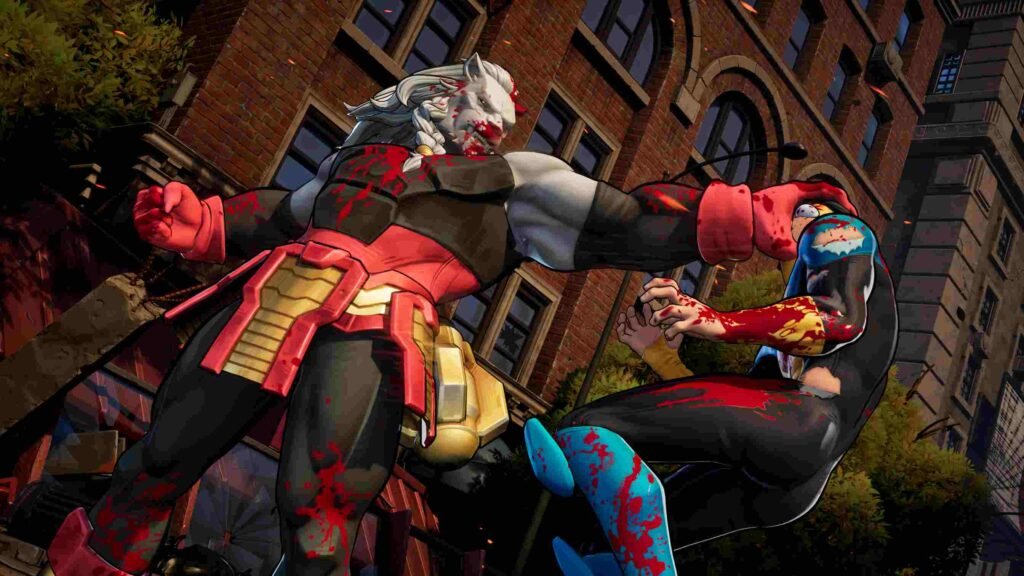
Invincible VS. makes a lot of sense conceptually. The universe created by Robert Kirkman is violent, fast, and chaotic, which fits a tag-based fighting game perfectly.
Still, fighting games are one of the hardest genres to get right. It does not matter how popular the license is if the mechanics are not sharp. Balance, responsiveness, and long-term support will decide everything here.
It has the potential to build a strong community, but it will need more than recognizable characters to stay relevant.
8- Darwin’s Paradox!

This is one of the more creative ideas on the list. You control an octopus and use real-life abilities like camouflage and climbing to move through the environment and solve puzzles.
That originality is refreshing, especially in a month full of sequels and familiar formulas. At the same time, games built around a single idea sometimes struggle to keep players engaged for long.
It could end up being one of those titles people recommend for its creativity, even if they do not stick with it all the way through.
7- Saros
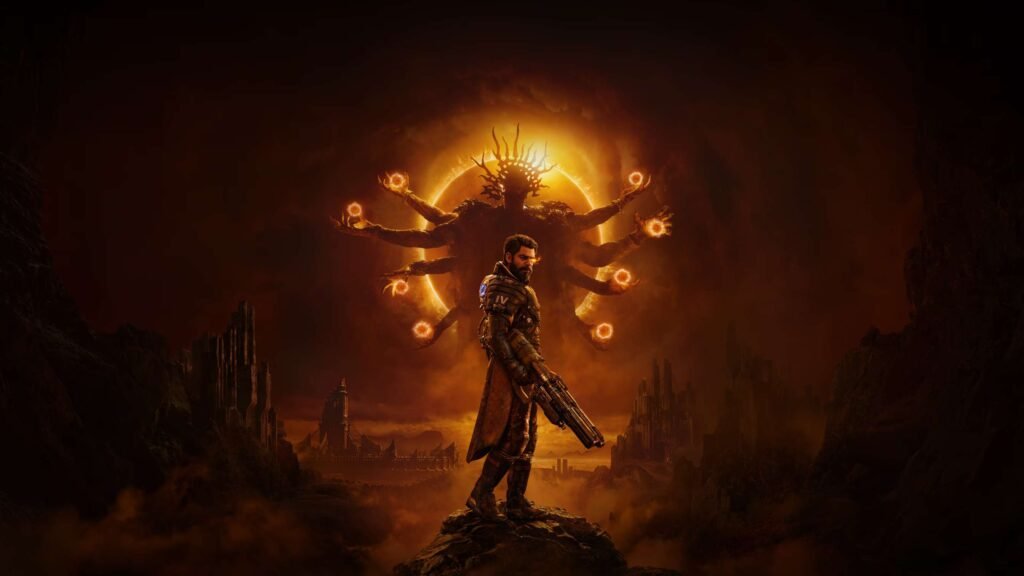
Saros looks polished and confident. Built on Unreal Engine 5 and featuring a performance from Rahul Kohli, it leans into a cinematic style while keeping the gameplay fast and demanding.
The mix of roguelike elements with permanent progression is interesting, especially for players who want a sense of growth without losing everything after each run.
The challenge for Saros is standing out. It does many things well, but it still needs a strong identity if it wants to stay in the conversation after release.
6- Mouse: P.I. For Hire
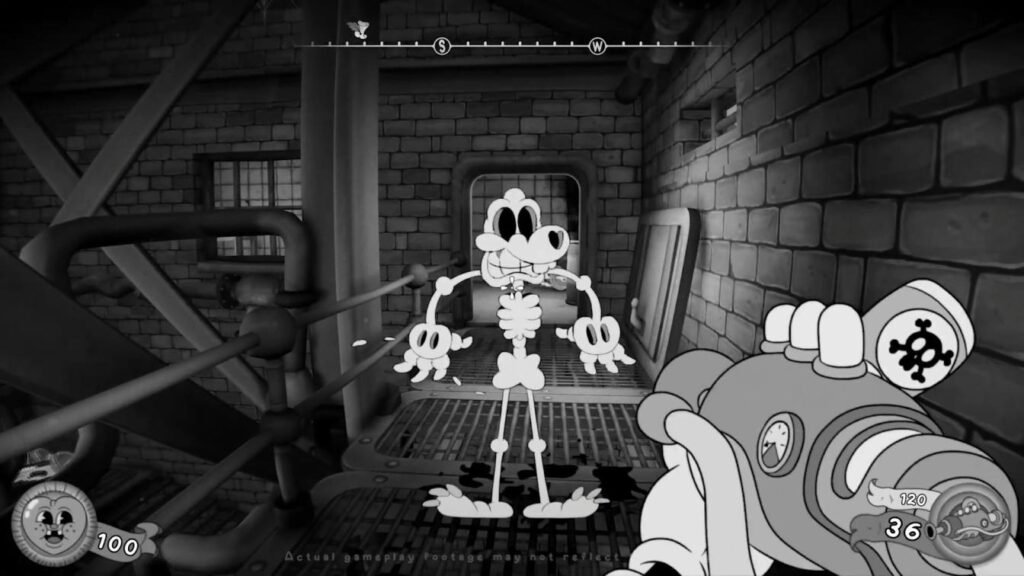
This is one of the easiest games to recognize instantly. The 1930s cartoon style gives it a unique look that separates it from almost every other shooter.
The real question is how it plays. If the gunplay feels good and the level design keeps things fresh, it could build a solid following. If not, the visual style alone will not carry it for long.
There is real potential here, especially because it already stands out without needing to explain itself.
5- Replaced
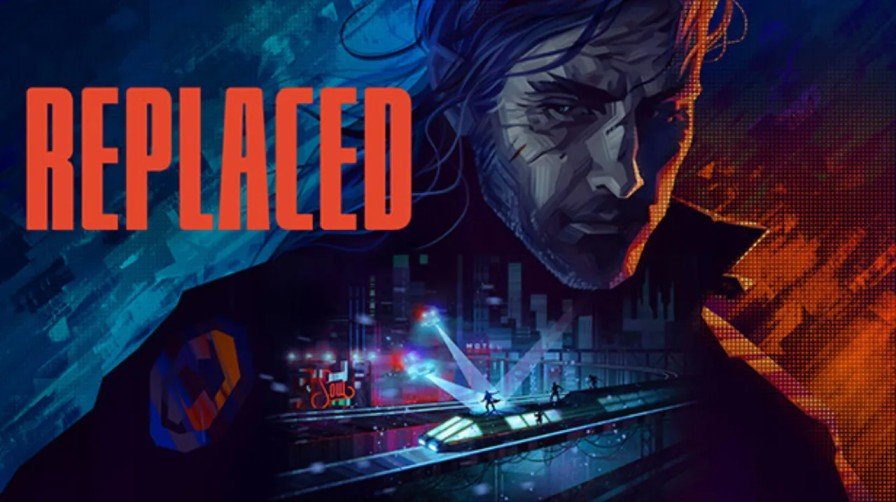
Replaced has been on people’s radar for a while, and for good reason.
The pixel art looks detailed and carefully animated, and the cyberpunk setting gives it a strong atmosphere. On top of that, the mix of platforming and combat seems built around timing and precision rather than button mashing.
You play as an AI inside a human body, which opens the door for more thoughtful storytelling if the game leans into it properly.
It feels like one of the more reliable entries this month, even if it is not aiming to be the biggest.
4- Diablo IV: Lord of Hatred
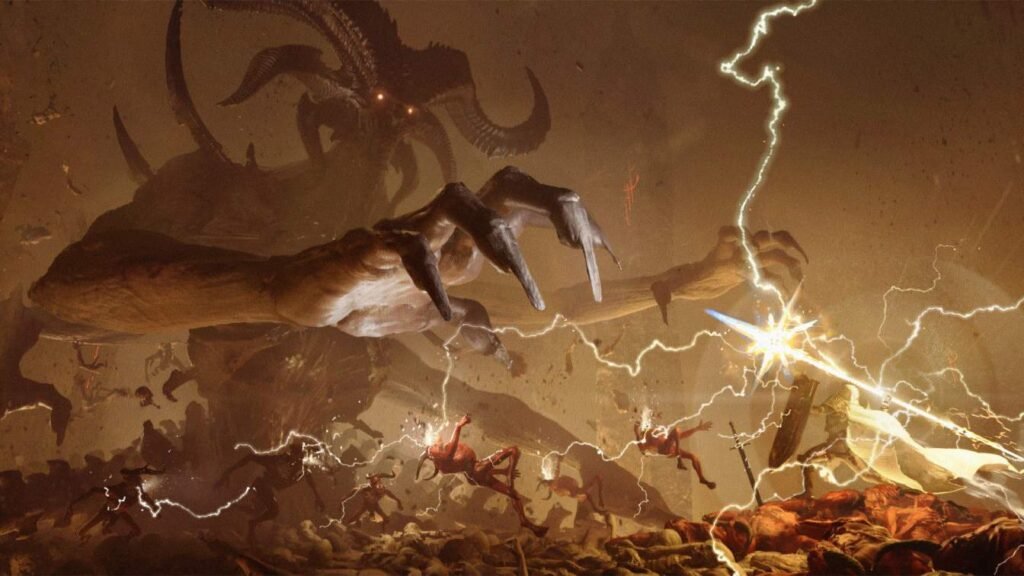
Some people are going to hate this placement.
Yes, it’s an expansion for Diablo IV. Yes, it’s bringing new content, a major storyline, and the highly requested Paladin class.
But here’s the reality: expansions rarely dominate the conversation the same way full releases do.
For existing players, this could be incredible. For everyone else? It’s not pulling in a completely new audience.
That’s why it lands at #4. Huge for fans, but limited in reach compared to what’s above it.
3- Pokémon Champions
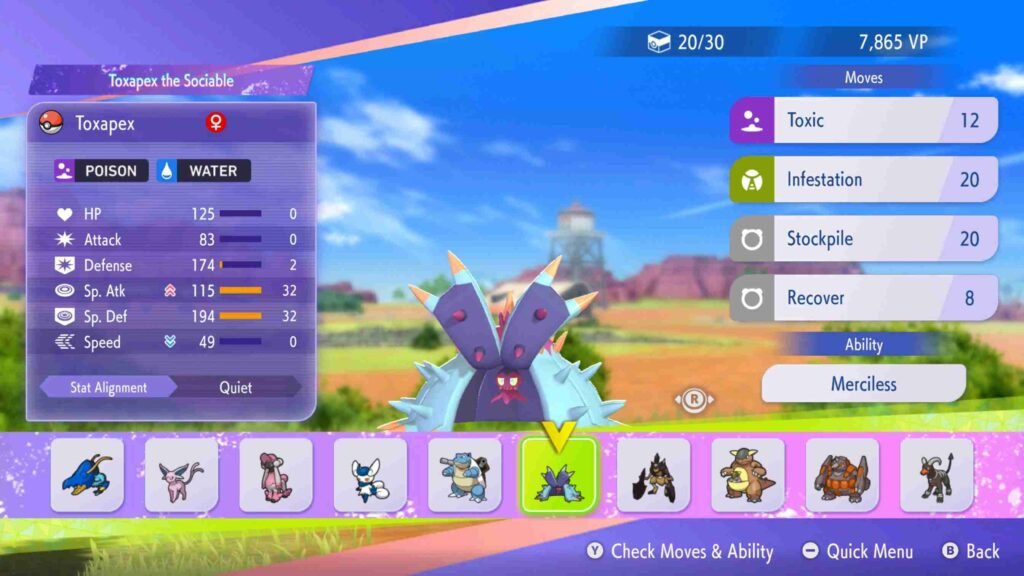
The Pokémon Company is taking a different direction with this one.
Pokémon Champions focuses almost entirely on battles, pushing competitive play to the center. With cross-platform support and improved matchmaking, it could become the main space for serious players.
At the same time, this direction will not appeal to everyone. Players who enjoy exploration and story may find it lacking.
That split makes it one of the most interesting releases this month. It could either redefine competitive Pokémon or struggle to hold attention.
2- Pragmata
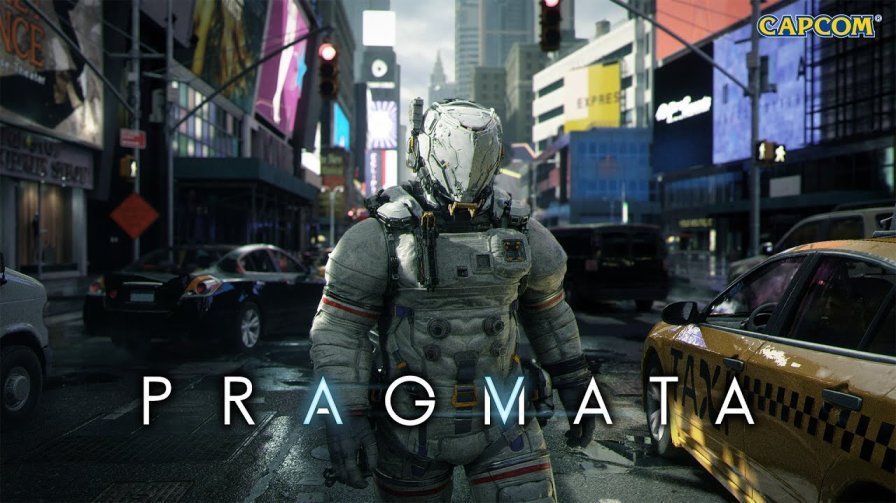
A lot of people would put this at #1. I didn’t, and that’s intentional.
Yes, Capcom has a strong track record. Yes, the concept is intriguing. And yes, the mystery around Pragmata has built massive hype.
But let’s not ignore reality: this game has been delayed multiple times.
That usually means one of two things:
- It’s being polished into something incredible
- Or it’s struggling behind the scenes
There’s no middle ground here.
Pragmata could easily end up being the best game of the month… but until we actually see it deliver, it doesn’t get the #1 spot.
1- Samson
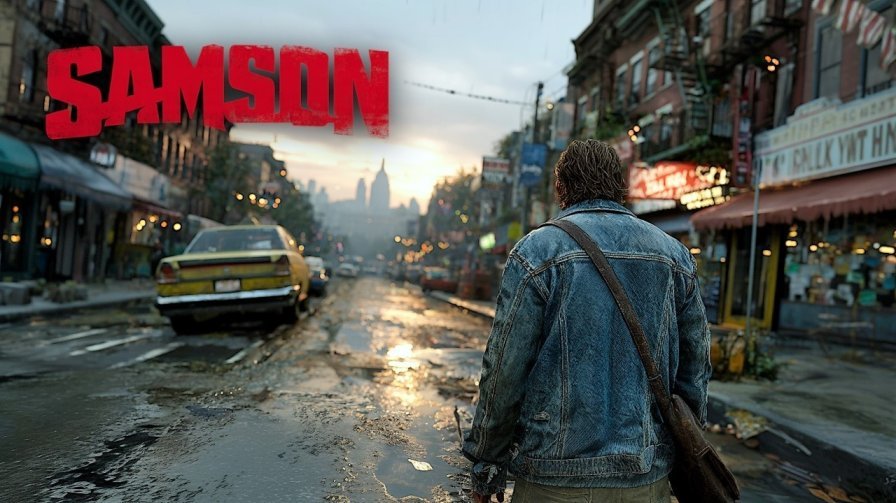
Samson takes the top spot because it is aiming for something different.
The structure is built around time and choice. Each in-game day is limited, and every decision matters. You cannot do everything, which forces you to think carefully about what you prioritize.
The story adds weight to those decisions. You are dealing with debt, pressure, and personal stakes, all within a noir setting that fits the tone perfectly.
If everything comes together, this is the kind of game people talk about long after finishing it. Not because of its scale, but because of how it makes players feel during the experience.