If you want to become a millionaire, people will immediately throw one piece of advice at you: “read more books.” Sounds great in theory, but let’s be honest, most people don’t have the time (or the patience) to go through dozens of long books just to maybe pick up one useful idea. That’s exactly why I put this together. Over the years, I’ve gone through hundreds of business and money-related books, and while most of them repeat the same ideas in different ways, there are a handful that genuinely hit different. The kind of books that don’t just sound smart, but actually change how you think, how you act, and ultimately how much money you make. So instead of giving you a boring list, I’m breaking down the top 10 that actually matter, the ones that can realistically take you from zero to your first $100K, then to a million, and beyond, if you actually apply what’s inside them.
Everything starts in your head, whether you like it or not. One of the biggest mistakes people make early on is having a broken relationship with money without even realizing it. “Money is evil,” “rich people are greedy,” all these little phrases you hear growing up stick with you more than you think. That’s where Secrets of the Millionaire Mind comes in and hits you with reality. It makes you realize that if you secretly feel bad about money, you’ll never let yourself have it. Fixing that mindset is step one, because if you don’t, you’ll sabotage yourself every time you get close to success. Then you’ve got The Psychology of Money, which shifts your perspective even further. It’s not just about making money, it’s about what money actually gives you, which is control. The ability to wake up and decide what you want to do with your day without being forced into anything. That’s the real goal, not just flashy numbers.
The Magic of Thinking Big:
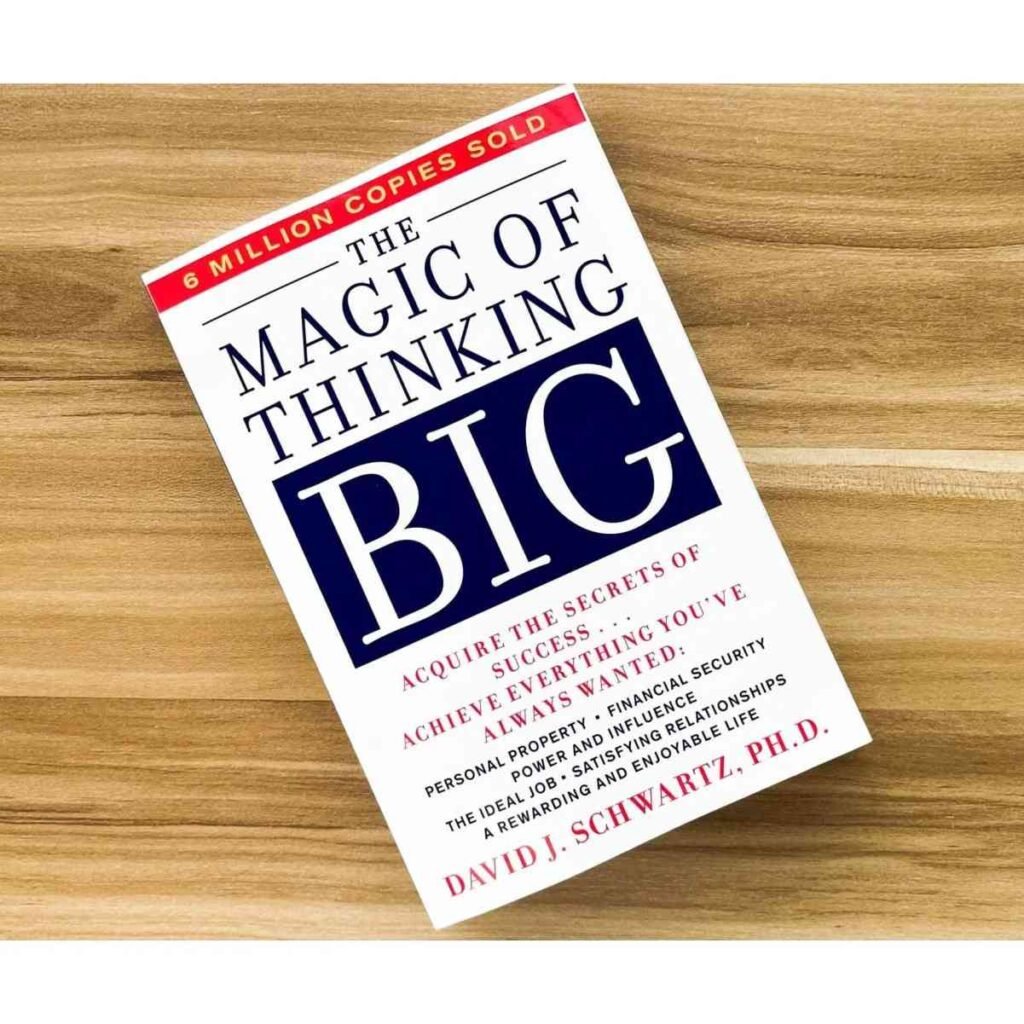
Now here’s where most people mess up. They think becoming rich is about what you show, the car, the watch, the lifestyle. But in reality, wealth is what you don’t see. That’s a concept that separates amateurs from people who actually build something long-term. Delayed gratification isn’t sexy, but it’s powerful. And this ties perfectly into The Magic of Thinking Big, which basically calls people out for aiming way too low. Most people set their “finish line” way too early. They hope for an okay job, a decent salary, a comfortable life. That mindset alone guarantees they’ll never break out. Thinking bigger doesn’t magically make you rich, but not thinking big almost guarantees you won’t be.
The Winner Effect:
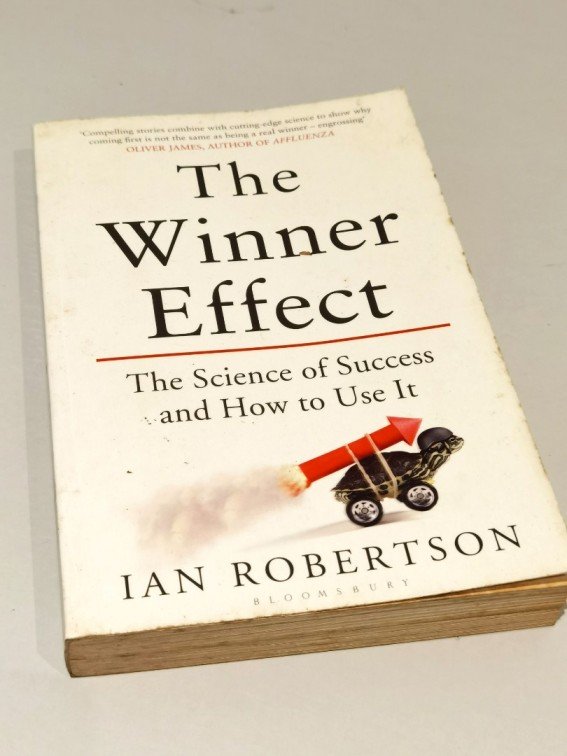
At the same time, success isn’t just about big dreams, it’s about stacking small wins. The Winner Effect explains something really interesting, when you start winning, even in small ways, your brain literally rewires itself to keep winning. Confidence builds on itself. That’s why getting momentum early matters so much. And then you’ve got Think and Grow Rich, which takes it to another level by showing the difference between wanting success and needing it. When you remove the safety net, when failure is no longer an option, your actions change completely. Comfort is dangerous, and having an easy escape plan can quietly kill your ambition without you even noticing.
Atomic Habits:
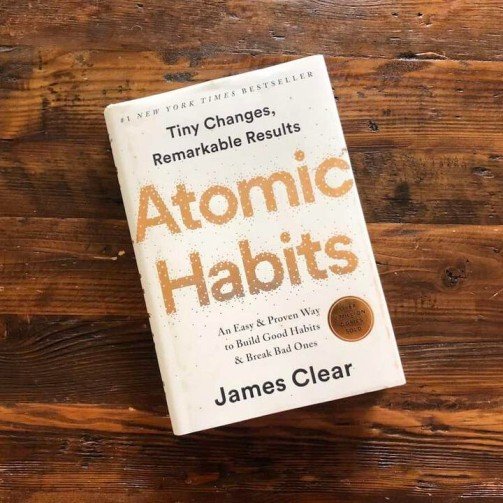
Once your mindset is in place, your habits are what carry everything forward. Atomic Habits is one of those books that sounds simple but is insanely powerful when applied. Most people obsess over goals, but goals are out of your control. Systems aren’t. If you focus on the daily process instead of the end result, you win in the long run without even realizing it. Pair that with The 7 Habits of Highly Effective People, which forces you to actually think about where you’re going in life and how you want to be remembered, and suddenly you’re not just moving, you’re moving with direction. Add in The 12 Week Year, and now you’ve got urgency. Instead of dragging your goals over 12 months, you compress them into 12 weeks, which forces action. No more “I’ll do it later,” because later doesn’t exist anymore.
So Good They Can’t Ignore You:
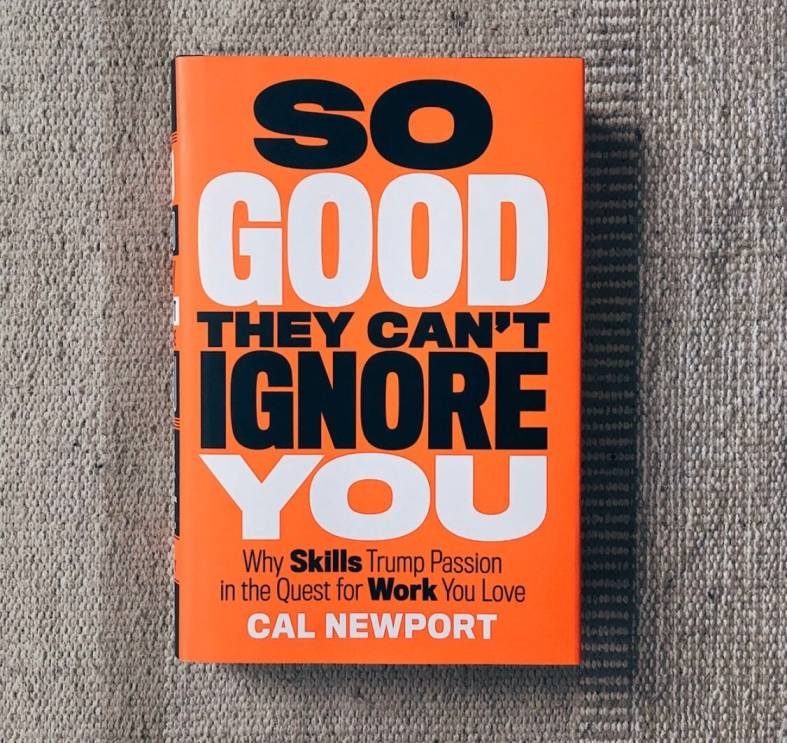
Now let’s talk about skills, because mindset and habits alone won’t make you money. So Good They Can’t Ignore You flips the whole “follow your passion” advice on its head. Most people don’t start with passion, they build it through mastery. The better you get at something, the more you enjoy it, and the more valuable you become. That’s where The Unfair Advantage comes in. You don’t need to be the best in the world at everything, you just need to identify what you’re naturally better at than most people and lean into it hard. Combine that with the idea from Mastery and Steal Like an Artist, and you realize something important: you don’t need to be original from day one. You build a unique skill stack by learning from different places, mixing them together, and eventually becoming something that’s hard to replicate.
Rich Dad Poor Dad:
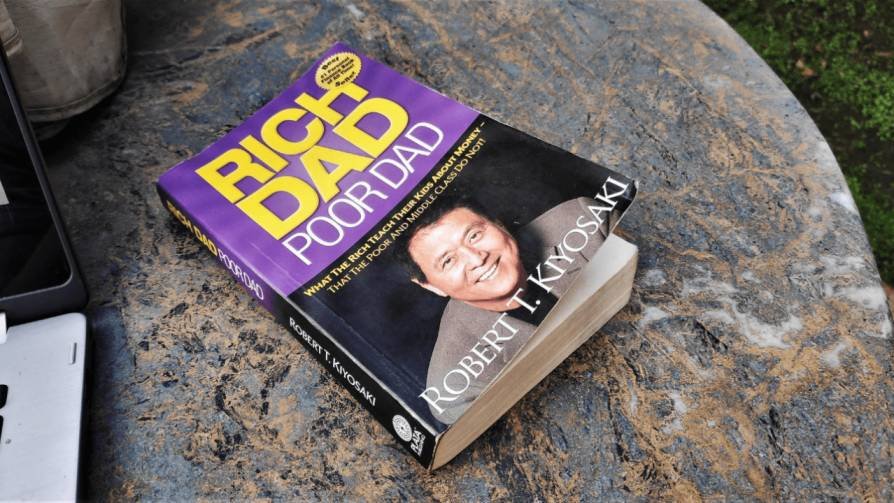
But making money and keeping money are two completely different games. This is where Rich Dad Poor Dad becomes essential. It simplifies everything down to one question: is this putting money in your pocket or taking it out? That’s it. That’s the difference between an asset and a liability. Once you start thinking like that, your decisions change instantly. Then you’ve got The Compound Effect, which shows you how small, consistent actions turn into massive results over time. Most people underestimate this because it’s slow at the beginning, but that’s exactly why it works. And when it comes to actually investing, The Little Book of Common Sense Investing keeps you grounded. Instead of trying to outsmart the market like everyone thinks they can, you just own the market. Simple, boring, effective. And honestly, boring is underrated when it comes to money.
Cashflow Quadrant:
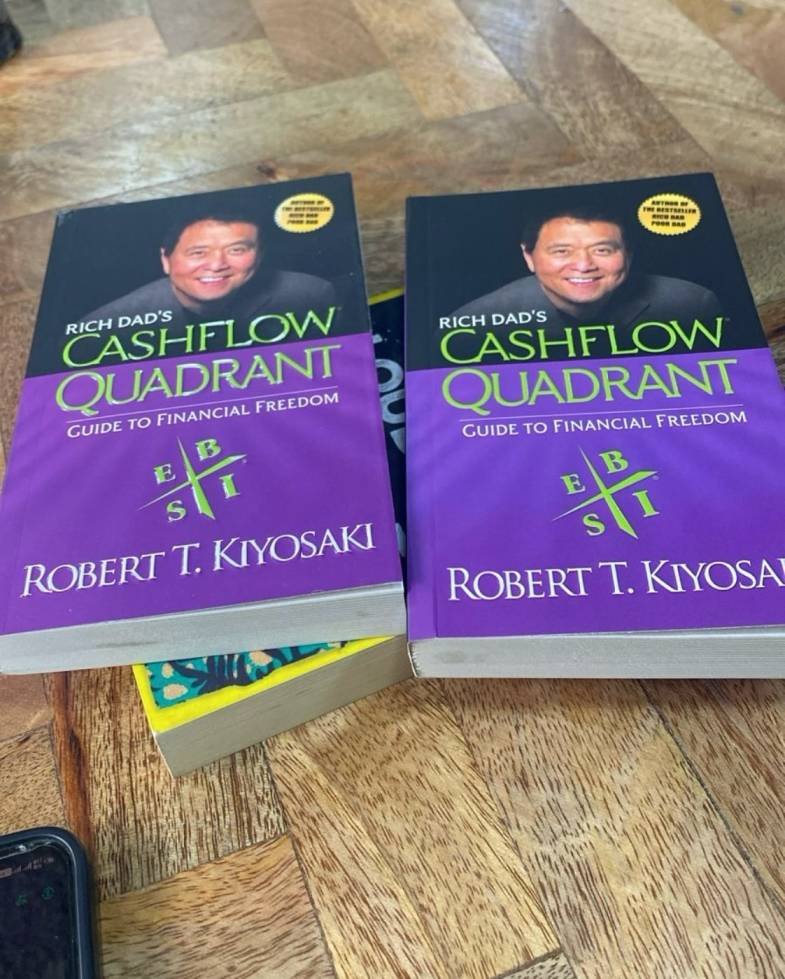
Once you move past your first real money, the game changes. It’s no longer about working harder, it’s about creating leverage. The Cashflow Quadrant explains this perfectly. If you’re only selling your time, there’s always a ceiling. Employees and self-employed people trade time for money, while business owners and investors use systems, people, and capital to scale. That shift alone is what separates six figures from seven. Then The 4-Hour Workweek comes in with a perspective that a lot of people ignore, it’s not just about how much you make, it’s about how much you make per hour of your life. Freedom matters more than raw numbers, even if people don’t want to admit it.
Blue Ocean Strategy:
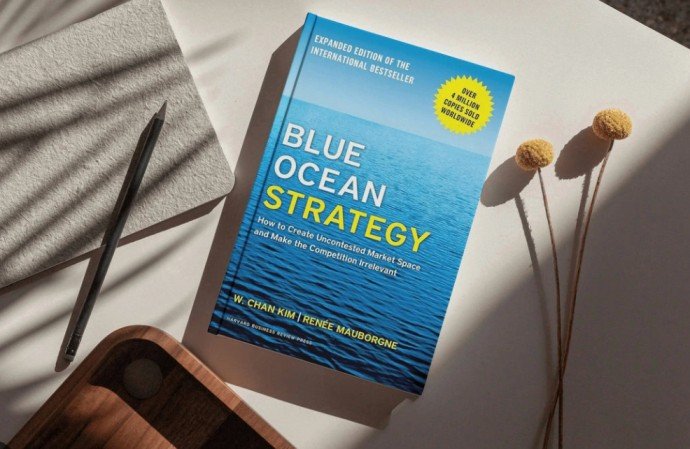
When it comes to building something big, execution beats everything. The Lean Startup makes that clear. You don’t sit there planning forever, you build, test, learn, and adapt. Most ideas aren’t that special, but great execution is rare. Blue Ocean Strategy adds another layer by showing that the real money is often in spaces with little to no competition. Competing in crowded markets is exhausting and limiting, while creating your own lane gives you room to dominate.
Influence:
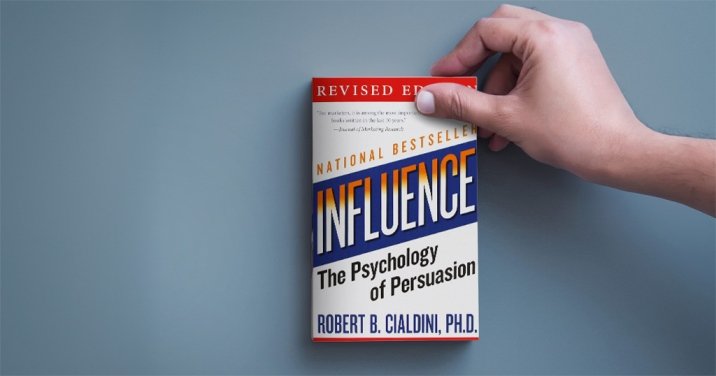
And finally, once you’re operating at a high level, everything comes down to people. Influence by Robert Cialdini teaches you that giving value first creates a natural return. It’s not manipulation, it’s understanding how humans work. Combine that with Never Split the Difference and How to Win Friends and Influence People, and you start realizing that success at scale is less about strategy and more about communication, empathy, and positioning. Leadership then becomes the multiplier. Start With Why explains that people don’t follow what you do, they follow why you do it. That’s what builds loyalty, not just transactions.
At the end of the day, all these books point to the same truth in different ways. There’s no magic trick, no shortcut, no secret formula that only a few people know. It’s mindset, habits, skills, leverage, and people. That’s it. The difference is that most people read this kind of stuff, feel motivated for a day or two, and then go right back to their old habits. The ones who actually win are the ones who take even a small part of this and apply it consistently. That’s where everything changes.